Article Tags
Physical AI in Defence
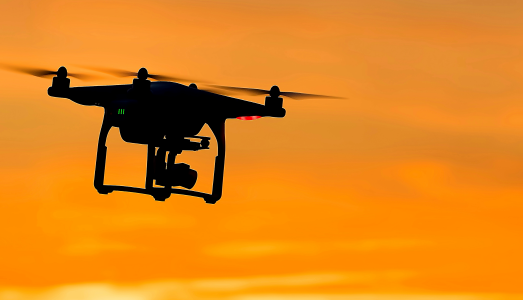
Physical AI - a class of intelligent systems that interact directly with the physical world, from autonomous drones and robotic ground vehicles to wearable AI-enhanced equipment - is redefining modern defence operations.
Global investment in defence is surging. UK defence spending is set to rise from £60.2bn (2024/25) to £73.5bn (2028/29), described as the largest sustained increase since the cold war. A significant proportion of this new spending is targeting Physical AI, with £4bn+ explicitly committed to drones and autonomous systems.
This shift represents a powerful opportunity for investment in and growth of smaller UK businesses, not typically considered to be defence system manufacturers.
Here we explore why investment in Physical AI is accelerating in defence.
What is Physical AI in Defence?
The UK is in a strong position to lead the next wave of physical AI by combining AI, advanced sensing, computer vision, and robotics.
Physical AI refers to AI systems embedded in hardware that perceive, decide, and act in real-world environments. Unlike purely software-based AI, these systems integrate Sensors (LiDAR, cameras, radar), Actuators (motors, robotics), Edge computing, and embedded AI models.
These technologies operate in complex, often hostile environments - where reliability, speed, and autonomy are mission-critical. Uses of Physical AI in Defence include: autonomous drones and swarms; autonomous underwater vehicles (AUVs); unmanned ground vehicles (UGVs); AI-driven mine clearing; predictive maintenance sensors; AI target recognition.
Why is Investment Surging?
Modern Warfare is Becoming Autonomous
Defence strategies worldwide are shifting toward autonomous and semi-autonomous systems and budgets are increasing to support innovations, particularly in UAVs (Unmanned Aerial Vehicles) and unmanned ground systems.
Real-Time Data Requires Physical AI
AI models are only as effective as the data they receive - and in defence, data must be gathered in real-time from physical environments.
Physical AI enables continuous battlefield monitoring, edge-based decision making (low latency, offline capability), integration of multi-sensor intelligence streams. This drives demand for engineers who can work at the intersection of AI, embedded systems, and real-world hardware constraints.
Dual-Use Innovation is Fuelling Growth
Many Physical AI technologies originate in civilian sectors: drones, autonomous vehicles, robotics and manufacturing, smart infrastructure.
These innovations are increasingly adapted for defence applications, accelerating development cycles and investment.
Sovereign AI
The UK’s pursuit of domestic solutions or ‘sovereign AI’ over solutions scaled in other countries. The government has recently launched a £500m Sovereign AI fund dedicated to scaling British AI companies.
As well as capital investment, the fund offers access to public compute, public procurement opportunities, grants for building AI assets, fast-tracked access to wider government opportunities, plus 10 fast-tracked visas for R&D hires - granted within one working day.
Patriotic Tech
The war in Ukraine has also seen the rise of ‘patriotic tech’ - the idea that technology firms have a moral and national duty to align with the state. This can also be seen in the UK to reduce reliance on foreign technology and strengthen national defence capabilities.
These factors increase the blurring of boundaries between civil and military.
The Future
Physical AI is one of the most exciting frontiers in defence technology.
Investment in Physical AI in defence is not a short-term trend; it’s a shift in how military capability is developed. As these technologies mature, the demand for highly specialised technical talent will continue to grow.
Looking to Build Your Physical AI Team?
RWA understands that this is a pivotal moment. We understand the landscape; the talent needed and have a strong AI Recruitment candidate network. Contact us to find out more.